
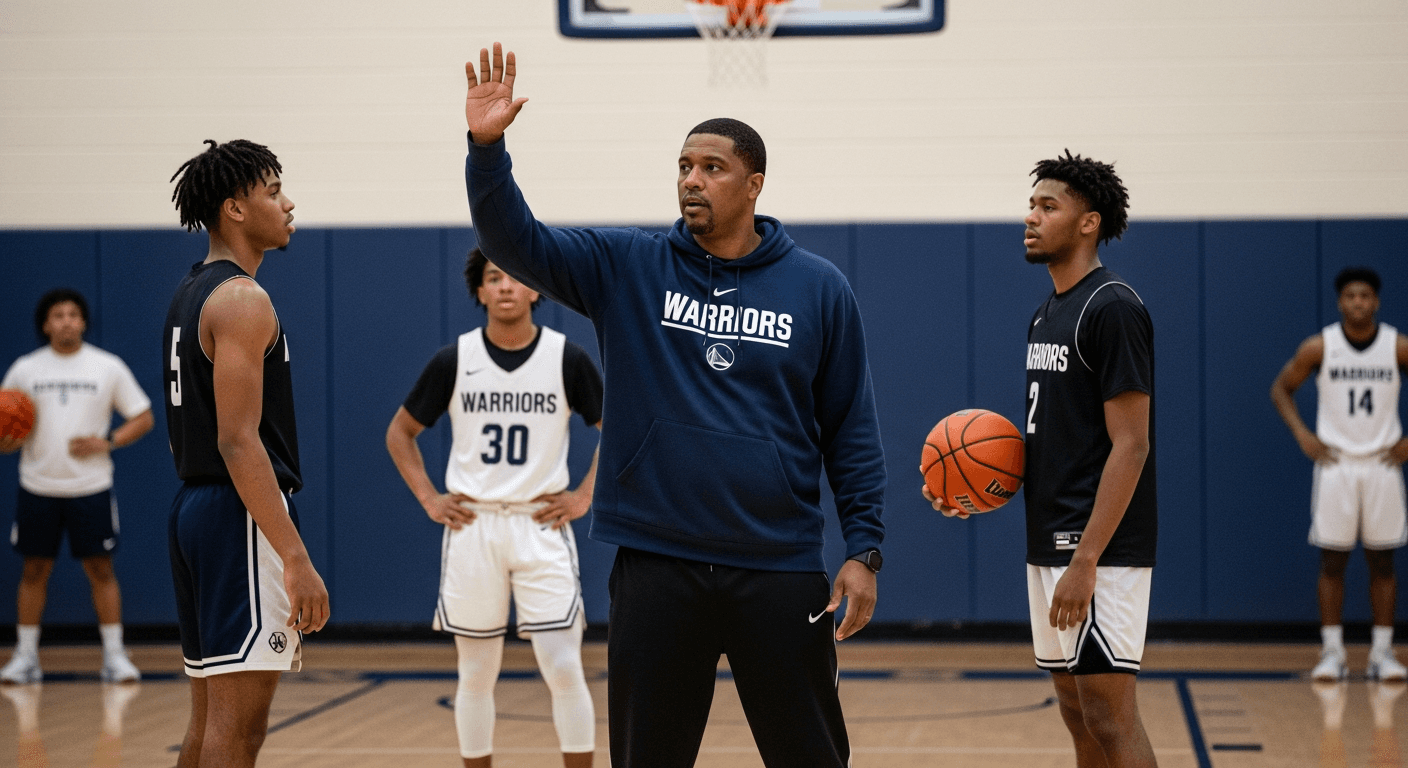
Motivational Speaking Techniques Specifically for Basketball
Basketball coaching is more than just teaching physical skills and tactics. It's about inspiring and motivating players to reach their full potential on and off the court. Effective motivational speaking can transform a team's dynamic, enhancing both individual and collective performance. This guide will delve into specific techniques that basketball coaches can employ to motivate their players, drawing on recent research and best practices in the field.
Why Motivation Matters in Basketball
Motivation is the driving force that propels players to push past their limits, embrace challenges, and develop self-discipline. In basketball, a sport that requires both mental and physical endurance, motivation can be the difference between a good team and a great one. By understanding and implementing effective motivational speaking techniques, coaches can foster an environment that encourages personal and professional growth.
Understanding Your Players
Before diving into specific techniques, it's crucial to understand your players' individual needs and motivations. Each player is unique, with different triggers that inspire them to perform at their best. Here are some strategies to help you understand your team:
- Conduct one-on-one meetings - Regular individual meetings can help you understand each player's personal goals and challenges.
- Observe their behavior - Pay attention to how players react during games and practice sessions. This can give you insights into what motivates them.
- Foster an open environment - Encourage players to share their thoughts and feelings. This openness can provide valuable information about what drives them.
Key Motivational Speaking Techniques
Once you have a good understanding of your players, you can tailor your motivational speaking to suit their needs. Here are some proven techniques that can be particularly effective in a basketball context:
1. Positive Reinforcement
Using positive reinforcement is a powerful way to boost confidence and morale. Acknowledge players' efforts and achievements, no matter how small. This not only motivates the individual player but also sets a positive tone for the entire team.
- Praise effort, not just results - Encourage players by recognizing their hard work and dedication, even if the desired outcome isn't achieved immediately.
- Celebrate small victories - Highlighting small successes can build momentum and keep players motivated.
2. Embrace Mistakes as Learning Opportunities
Basketball is a fast-paced game, and mistakes are inevitable. Teaching players to view mistakes as opportunities for growth can reduce anxiety and improve performance. This approach is supported by "Basketball-Coaching-Resource-Book.pdf," which emphasizes the importance of not getting upset about errors.
- Encourage a growth mindset - Help players see challenges as chances to improve rather than setbacks.
- Create a safe space for mistakes - Let players know it's okay to make mistakes as long as they learn from them.
3. Use Personal Stories
Sharing personal stories can be a powerful way to connect with players. Stories about overcoming adversity, pushing past limits, or achieving unexpected victories can inspire players to do the same.
- Share personal experiences - Relate your own experiences in basketball or life to the challenges your players face.
- Highlight role models - Share stories of famous basketball players who have overcome obstacles to succeed.
4. Set Clear and Achievable Goals
Goal-setting is a critical component of motivation. Clear and achievable goals provide players with direction and purpose. Work with your players to set both short-term and long-term goals.
- Use SMART goals - Ensure goals are Specific, Measurable, Achievable, Relevant, and Time-bound.
- Regularly review and adjust goals - Keep track of progress and make necessary adjustments to stay on track.
5. Foster Team Spirit and Communication
Building a strong team spirit can significantly boost motivation. Encourage open communication and collaboration among players. According to "The Importance of Team Talks in Basketball," effective communication helps players understand their roles and reinforces team cohesion.
- Organize team-building activities - Activities outside of regular practice can strengthen team bonds.
- Encourage peer support - Foster an environment where players support and motivate each other.
6. Maintain a Calm Coaching Style
Contrary to the "Hollywood Coach" stereotype, less intense coaching can be more effective. "Less is More: The Power of Calm Coaching During Games" suggests that a calm and composed demeanor can help players remain focused and confident during games.
- Stay composed under pressure - Model calmness in high-pressure situations to help players manage their stress.
- Use constructive feedback - Provide feedback in a calm and supportive manner, focusing on improvement rather than criticism.
Putting It All Together
Implementing these motivational speaking techniques requires practice and consistency. Start by incorporating one or two strategies into your coaching routine and gradually build from there. Remember, the goal is to create an environment where players feel supported, motivated, and ready to excel both on and off the court.
Conclusion
Motivational speaking is a vital tool in a basketball coach's toolkit. By understanding your players and employing specific techniques, you can inspire your team to achieve greatness. Whether it's through positive reinforcement, embracing mistakes, or setting clear goals, the right words at the right time can make all the difference. Keep experimenting with these techniques, and watch your team thrive as a result.
Tags
Sources & References
- NEW SPEAKERS: Basketball Players & Coaches
talks emphasize personal and professional growth, sharing strategies on how to push past limits, embrace challenges, and develop self-discipline. [...] Harvey and donating her time as a youth basketba
- [PDF] Basketball-Coaching-Resource-Book.pdf
trying or to get upset about errors—not exactly what you had in mind. Let your players know that making mistakes isn't the end of the world. If you have to correct a player, be sure not to follow a po
- 10 Effective Ways Basketball Coaches Can Improve Communication ...
5. Positive Reinforcement: Use positive reinforcement to motivate players. Acknowledge their efforts and achievements, which can boost confidence and morale. The process is what drives success. Let
- The Importance of Team Talks in Basketball
A. Improving Communication on the Court Effective basketball training isn’t just about physical skills—it also involves clear communication. Team talks help players understand their roles, reinforce
- Less is More: The Power of Calm Coaching During Games
## The Myth of the "Hollywood Coach" Most sports movies portray coaches in the same way. Someone who is super intense. Someone who is always “coaching,” generally by yelling and gesturing throughout
Related Articles
Take Your Coaching to the Next Level
Practice Plan helps coaches create, organize, and share professional practice plans — all in one place, built for coaches.
Free to start • Available on iOS & Web
For Leagues & Associations
Give your coaches a free tool — at no cost to you.
Partner with Practice Plan and your coaches get a 14-day free trial. You just forward one email. No budget, no contracts.
Get Coaching Articles in Your Inbox
Subscribe to receive new articles. Choose your sports to get personalized content.
No spam, unsubscribe anytime.