
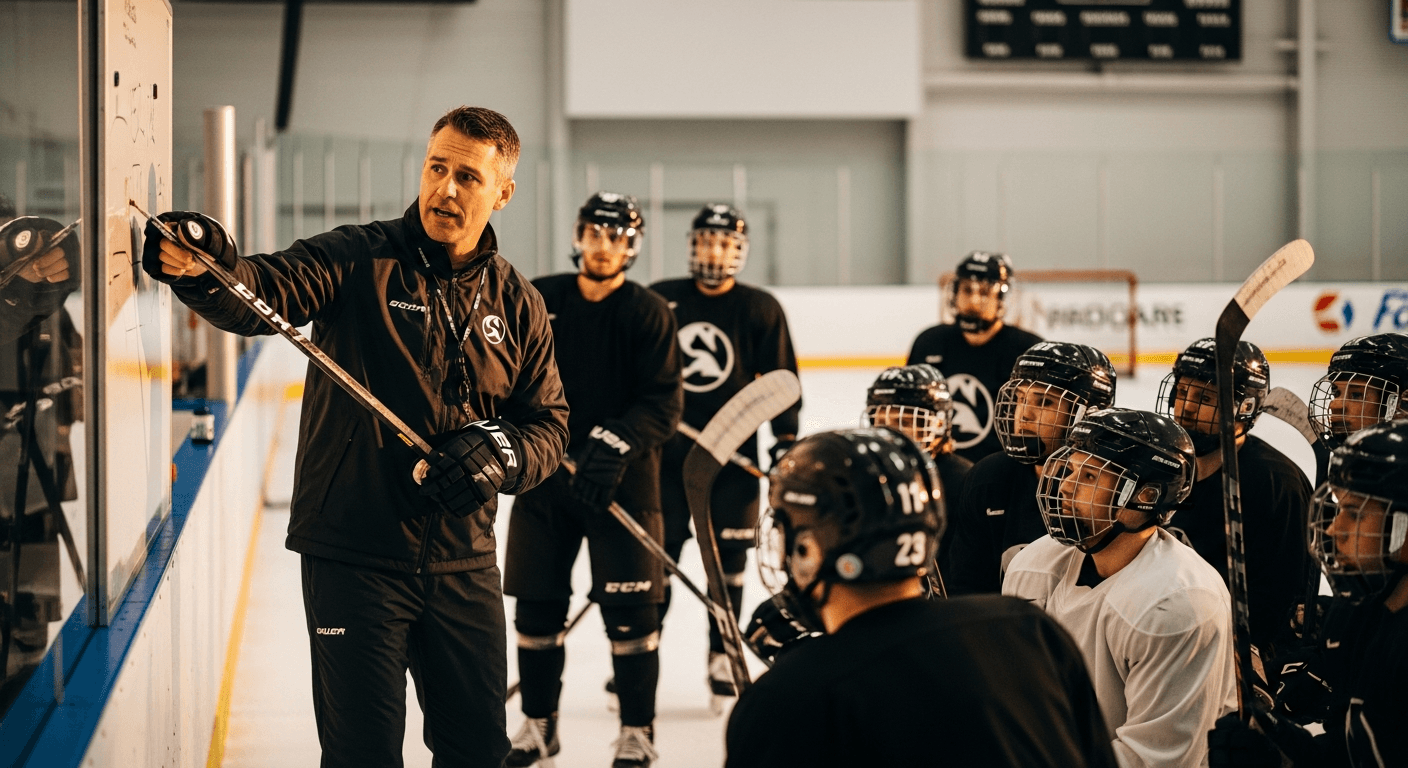
Leading by Example as a Hockey Coach
Leading by example is a critical component of effective coaching, especially in a high-intensity sport like hockey. As a coach, your behavior sets the tone for your team. Your actions, attitudes, and strategies can inspire your players to elevate their performance and commitment. This article will delve into practical ways to lead by example in hockey, drawing inspiration from recent insights and best practices in the field.
The Impact of Leading by Example
When you lead by example, you create a model for your players to emulate. According to "Creating a Winning Culture: Leadership Strategies for Coaches," the way you conduct yourself affects your team's culture. If you demonstrate positivity, resilience, and a strategic mindset, your players are likely to mirror these qualities.
Leading by example means demonstrating the values, work ethic, and dedication you expect from your team. It involves showing rather than telling, inspiring players through your actions rather than just your words. This approach fosters trust and respect, encouraging players to follow your lead both on and off the ice.
Key Strategies for Leading by Example
Here are some actionable strategies for hockey coaches to implement:
- Maintain a Positive Attitude - Your attitude is contagious. Even in challenging situations, maintaining a positive demeanor can help keep your team motivated and focused.
- Demonstrate Strong Work Ethic - Show your players what it means to work hard. Be punctual, prepared, and fully engaged in every practice and game.
- Handle Stress Gracefully - Hockey is a fast-paced sport that can be stressful. Show your players how to manage pressure by staying composed and making rational decisions under stress.
- Communicate Effectively - Clear and open communication is vital. Be approachable and encourage players to ask questions, express concerns, and share ideas.
- Commit to Continuous Learning - Demonstrate a growth mindset by seeking out new coaching techniques and strategies. Encourage your players to do the same, fostering a culture of improvement.
Intentional Practice Planning
Intentional practice planning is a crucial aspect of leading by example. According to "7 Coaching Lessons from 2025 You Can Steal for 2026," one of the biggest lessons for coaches was the importance of being intentional with practice plans. This means having clear objectives for each session and ensuring that every drill and activity aligns with these goals.
Here's how you can implement intentional practice planning:
- Set Specific Goals - Define what you want to achieve in each practice session. Whether it's improving power play strategies or enhancing defensive skills, having specific goals helps keep practices focused.
- Use a Progressive Approach - Start with simple drills and gradually increase complexity as players improve. This helps build confidence and mastery of skills.
- Incorporate Feedback - Provide constructive feedback during practice to help players understand what they are doing well and where they can improve.
- Reflect and Adjust - After each practice, take time to reflect on what went well and what can be improved. Use these insights to adjust future practice plans.
Managing Game Day Stress
Game days can be a source of stress for both players and coaches. As a leader, it's important to model effective stress management techniques:
- Stay Calm and Focused - Your players will look to you for guidance during high-pressure moments. Stay calm and focused to help them do the same.
- Prepare Thoroughly - Ensure your team is well-prepared through thorough scouting reports and strategies. Preparation reduces uncertainty and boosts confidence.
- Encourage Positive Visualization - Teach your players to visualize success and positive outcomes. This mental preparation can enhance performance and reduce anxiety.
- Emphasize Team Support - Encourage players to support each other, reinforcing a team-first mentality that helps reduce individual pressure.
Developing Hockey IQ
Developing hockey IQ involves teaching players to read the game effectively, anticipate plays, and make smart decisions under pressure. According to "Roadmap: Developing elite hockey players strategically," effective coaching goes beyond running drills and focuses on developing these critical cognitive skills.
To lead by example in developing hockey IQ:
- Encourage Critical Thinking - Challenge players to analyze game situations and make decisions based on their understanding of the game.
- Use Video Analysis - Review game footage with your team to identify areas for improvement and reinforce good decision-making.
- Simulate Game Situations - Incorporate drills that mimic real-game scenarios, helping players practice decision-making in a controlled environment.
- Foster a Learning Environment - Create an environment where players feel comfortable asking questions and exploring new ideas.
Building a Resilient Team Culture
A resilient team culture is built on trust, respect, and shared goals. As a coach, you play a key role in fostering this culture:
- Lead with Integrity - Be honest and transparent with your players. This builds trust and sets a standard for behavior.
- Celebrate Effort and Improvement - Recognize and reward effort, not just results. This encourages players to keep pushing themselves even when outcomes aren't immediately favorable.
- Encourage Team Cohesion - Promote activities that build team cohesion, such as team-building exercises and social events.
- Model Resilience - Show your team how to bounce back from setbacks by remaining optimistic and focused on growth.
Conclusion
Leading by example is a powerful tool for hockey coaches. By embodying the qualities you wish to see in your players, you inspire them to strive for excellence both on and off the ice. Implement the strategies outlined in this article to enhance your leadership skills and create a positive, resilient team culture that drives success.
Tags
Sources & References
- 7 Coaching Lessons from 2025 You Can Steal for 2026 | CoachThem
## Frequently Asked Questions # Q: What were the most important hockey coaching lessons from 2025? # A: The biggest hockey coaching lessons from 2025 centered on intentional practice planning, simpl
- Creating a Winning Culture: Leadership Strategies for Coaches
### Lead by Example As the coach, you set the tone. The way you conduct yourself, your attitude, energy, and even the way you handle stress, has a huge impact on your team. Players will mirror your b
- 5 Tips For The Rookie Head Coach
Check out this insane play by Morgan Geekie. He’s wound up for the one-timer but the puck is passed too far in front of him. He quickly maneuvers and gets it on his backhand, kicks it up from his feet
- Roadmap: Developing elite hockey players strategically
Effective coaching goes beyond running drills. It involves teaching players to read the play, developing anticipation skills, understanding team systems, and making smart decisions under pressure. Coa
- How to Level-Up Your Hockey IQ in 2026 - NHL Sense Arena
Earlier reads and calmer movement (goalies) - Save % and goals allowed Consistency shift-to-shift or shot-to-shot - reflect on shifts and how many positive plays were made ### Offseason Goals Maint
Related Articles
Take Your Coaching to the Next Level
Practice Plan helps coaches create, organize, and share professional practice plans — all in one place, built for coaches.
Free to start • Available on iOS & Web
For Leagues & Associations
Give your coaches a free tool — at no cost to you.
Partner with Practice Plan and your coaches get a 14-day free trial. You just forward one email. No budget, no contracts.
Get Coaching Articles in Your Inbox
Subscribe to receive new articles. Choose your sports to get personalized content.
No spam, unsubscribe anytime.