
Why Sleep Matters for Athletic Performance
Sleep is often the secret sauce behind the success of many athletes. While training, nutrition, and mental preparation are crucial, sleep provides the foundation that supports these elements. It allows the body to recover, repairs muscle tissue, and replenishes energy stores. For coaches, understanding the importance of sleep can significantly enhance the performance and well-being of their athletes.
The Science Behind Sleep and Performance
Research has consistently shown that quality sleep enhances athletic performance. According to a study from Mass General Brigham, maximizing sleep two nights before an event can lead to better performance outcomes. By going to bed an hour earlier, athletes can gain one or two extra sleep cycles, which aids in muscle repair and cognitive function. Sleep is not just about quantity but also about the quality of rest, impacting reaction times, accuracy, and motivation.
Practical Tips for Coaches to Implement
Here are some actionable strategies that coaches can use to ensure their athletes are getting the sleep they need:
- Encourage a consistent sleep schedule - Athletes should aim to go to bed and wake up at the same time every day to regulate their body's internal clock.
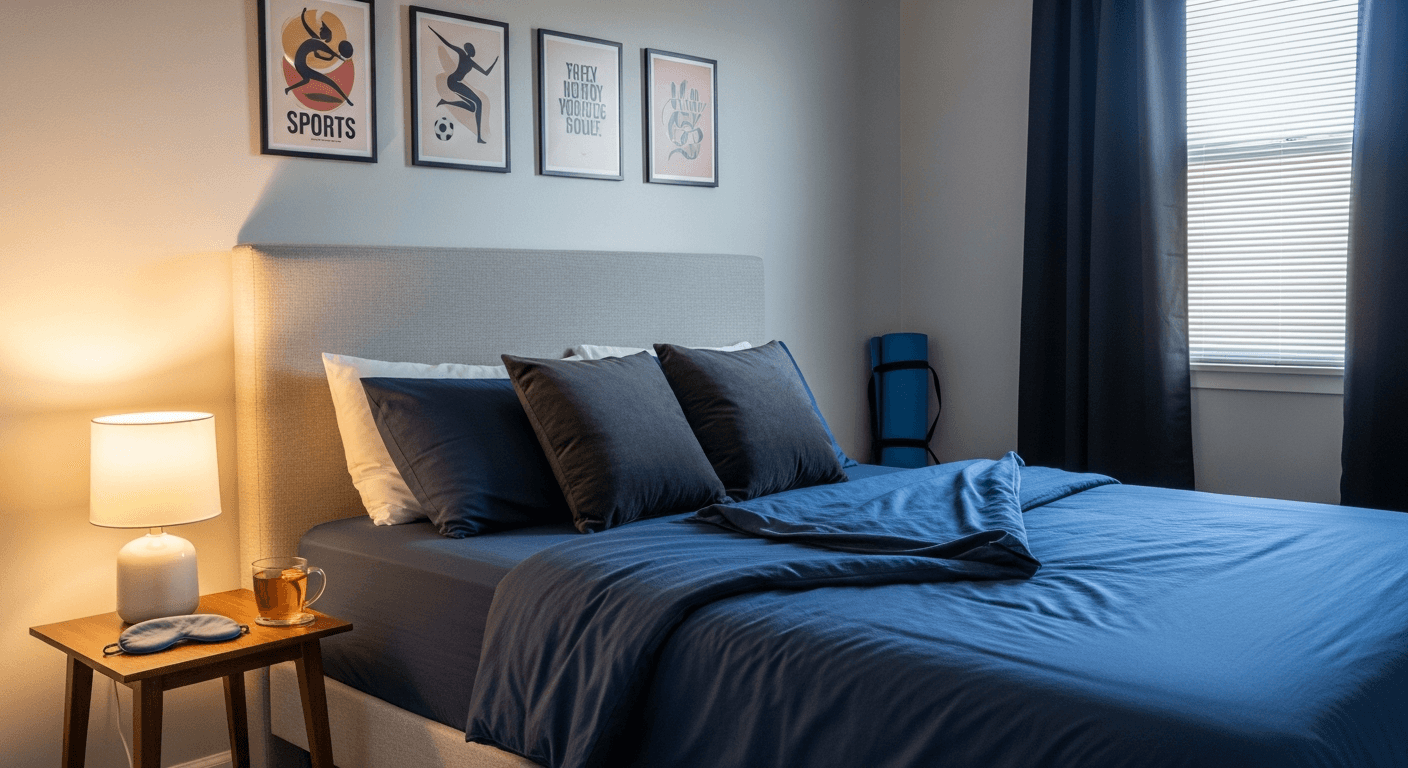
- Create a sleep-friendly environment - A cool, dark, and quiet room can significantly improve sleep quality. Consider recommending blackout curtains and earplugs for light and noise-sensitive athletes.
- Limit screen time before bed - The blue light emitted by screens can disrupt melatonin production. Encourage athletes to avoid screens at least an hour before bedtime.
- Emphasize a proper sleep opportunity - To get the recommended eight hours of sleep, athletes should have a "sleep opportunity" of about nine hours in bed.
- Educate athletes about the benefits of sleep - Sharing research and personal anecdotes can motivate athletes to prioritize sleep.
Preparing Athletes for Competition
Pre-competition anxiety and travel can disrupt sleep patterns. Here are some strategies to help athletes maintain their sleep quality:
- Maximize sleep before competition - Encourage athletes to get extra sleep two nights before a big event.
- Practice napping - Napping can be beneficial if sleep is disrupted. However, athletes should practice napping on training days to ensure it doesn't interfere with nighttime sleep.
- Manage travel schedules - Plan travel to allow athletes to adjust to new time zones gradually and maintain a consistent sleep schedule.
Common Sleep Disruptors and How to Address Them
Coaches should be aware of common factors that can negatively impact sleep and how to address them:
- Stress and anxiety - Encourage relaxation techniques such as deep breathing, meditation, or yoga.
- Caffeine and nutrition - Advise athletes to avoid caffeine and heavy meals close to bedtime.
- Inconsistent routines - Help athletes develop a bedtime routine that signals the body it's time to wind down, such as reading a book or taking a warm bath.
Monitoring and Evaluating Sleep Patterns
Many tools and technologies can help coaches and athletes monitor sleep patterns:
- Sleep tracking apps and wearables - These can provide insights into sleep duration and quality, helping athletes identify patterns and make necessary adjustments.
- Regular check-ins - Encourage athletes to keep a sleep diary and discuss any concerns or patterns they notice.
Conclusion: The Role of Coaches in Promoting Sleep Health
As a coach, you play a crucial role in promoting sleep health among your athletes. By implementing these strategies and emphasizing the importance of sleep, you can help them reach their full potential. Remember, sleep is not just a passive activity but an active contributor to athletic success. Encourage your athletes to prioritize their rest, and you'll likely see improvements not only in their performance but also in their overall well-being.
Tags
Sources & References
- The next great performance booster for athletes? Sleep
ensure you are spending enough time in bed to get the sleep you need – to get the recommended eight hours of sleep per night, we need a “sleep opportunity” of about nine hours in bed avoid training t
- 10 Proven Sleep Strategies for High-Performance Athletes
### Screens negatively impact sleep As many people know, the blue glow of our phones reduces melatonin production, making it more difficult to get to sleep. It makes your body think it’s time to stay
- How Does Sleep Affect Athletic Performance? - Mass General Brigham
Maximize sleep 2 nights before their event: Try going to bed an hour earlier than usual on both nights. The extra time could produce 1 or 2 extra sleep cycles, allowing the body to repair more damage
- Sleep, Athletic Performance, and Recovery
While quality sleep has positive effects specifically on athletic performance, a lack of sleep is detrimental to performance. A great number of concerns can arise when athletes do not receive adequate
- Sleep
+ Try napping if your sleep is disrupted leading up to competition/travel. It can help your immune system and prevent illness. + If you plan to nap on competition day, practice on training days so y
Related Articles
Take Your Coaching to the Next Level
Practice Plan helps coaches create, organize, and share professional practice plans — all in one place, built for coaches.
Free to start • Available on iOS & Web
For Leagues & Associations
Give your coaches a free tool — at no cost to you.
Partner with Practice Plan and your coaches get a 14-day free trial. You just forward one email. No budget, no contracts.
Get Coaching Articles in Your Inbox
Subscribe to receive new articles. Choose your sports to get personalized content.
No spam, unsubscribe anytime.