
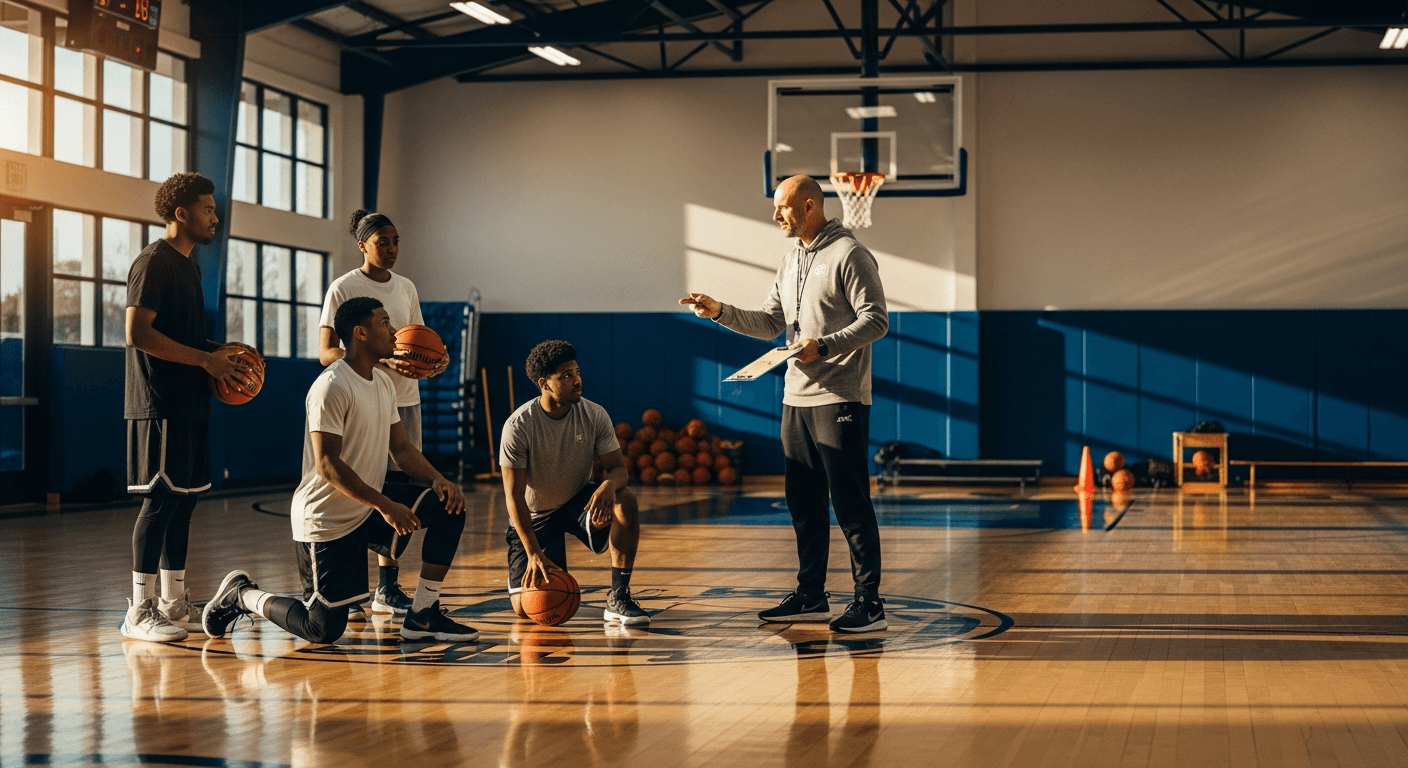
Advanced Techniques and Mental Toughness: Preparing for Competition
As we dive into the final part of our series, "Essential Skills for Youth Basketball Player Development," we shift our focus to the advanced skill set and mental fortitude necessary for competitive play. Building on the foundational skills and game intelligence covered in Parts 1 and 2, this article will guide you through advanced ball handling techniques, strategies for building mental resilience, and maintaining performance under pressure. These components are crucial for helping young athletes excel in the high-stakes environment of competitive basketball.
Advanced Ball Handling
Ball handling is a critical skill in basketball, and advancing this ability is key to gaining an edge in competitive play. Advanced ball handling encompasses more than just dribbling; it involves controlling the ball with precision, speed, and creativity. Here are some techniques to implement:
- Two-Ball Dribbling Drills - Encourage players to practice dribbling with two basketballs simultaneously. This drill enhances hand-eye coordination, improves weak-hand performance, and boosts overall ball-handling confidence.
- Figure Eight Dribble - This drill helps improve hand quickness and control. Players dribble the ball around and between their legs in a figure-eight pattern, switching hands quickly and smoothly.
- Behind-the-Back and Cross-Over Drills - Teach players to use behind-the-back and crossover moves to change direction quickly while maintaining their dribble. These moves are essential for evading defenders.
- Cone Dribbling with Speed Variation - Set up cones for players to dribble around at varying speeds. This drill improves agility and teaches players to control their pace, making it easier to adapt to game situations.
By incorporating these advanced ball handling techniques into practice, players will gain the agility and control needed to maneuver around opponents effectively.
Building Mental Resilience
Mental toughness is a cornerstone of successful athletes. Building resilience in young players prepares them to face challenges head-on and bounce back from setbacks. Here are some strategies to foster mental resilience:
- Encourage a Growth Mindset - Teach players to view challenges as opportunities to grow. Emphasize effort, learning from mistakes, and persistence over innate talent.
- Visualization Techniques - Guide players through visualization exercises where they imagine themselves succeeding in various game situations. This practice can enhance focus and confidence.
- Controlled Breathing Exercises - Introduce breathing techniques to help players manage anxiety and maintain composure during high-pressure moments. Deep, controlled breathing can reduce stress and improve concentration.
- Set Realistic Goals - Work with players to set achievable goals. Breaking down larger objectives into smaller, manageable tasks can prevent overwhelm and build confidence as they progress.
By building mental resilience, players will be better equipped to handle the pressures of competition and maintain their composure under stress.
Performance Under Pressure
Performing under pressure is a skill that separates good players from great ones. Here are tactics to help players thrive in high-stakes situations:
- Simulate Game Conditions - During practice, simulate game-like conditions with time constraints, crowd noise, and competitive scenarios. This prepares players for the pressures they will face during actual games.
- Emphasize Focus and Routine - Encourage players to develop pre-game routines that help them focus and prepare mentally. Consistent routines can ground players and reduce pre-game jitters.
- Teach Positive Self-Talk - Help players develop a habit of positive self-talk. Replace negative thoughts with affirmations that reinforce confidence and a positive mindset.
- Provide Constructive Feedback - Offer feedback that is specific, actionable, and encouraging. Constructive criticism helps players learn without diminishing their confidence.
By implementing these strategies, coaches can help players remain composed and perform at their best, even when the stakes are high.
Conclusion: Preparing for Competitive Play
As we conclude our series on youth basketball player development, it's essential to remember that advanced skills and mental toughness are as crucial as foundational techniques. By focusing on advanced ball handling, building mental resilience, and preparing for performance under pressure, coaches can equip players with the tools they need to excel in competitive environments.
Encourage your players to embrace the challenges of competitive play with confidence and determination. With the right training and mindset, they can not only meet but exceed their potential. As a coach, your role in nurturing these skills is invaluable, and your efforts will help shape not only skilled athletes but also resilient individuals ready to face any challenge on and off the court.
Tags
Related Articles
Take Your Coaching to the Next Level
Practice Plan helps coaches create, organize, and share professional practice plans — all in one place, built for coaches.
Free to start • Available on iOS & Web
For Leagues & Associations
Give your coaches a free tool — at no cost to you.
Partner with Practice Plan and your coaches get a 14-day free trial. You just forward one email. No budget, no contracts.
Get Coaching Articles in Your Inbox
Subscribe to receive new articles. Choose your sports to get personalized content.
No spam, unsubscribe anytime.