
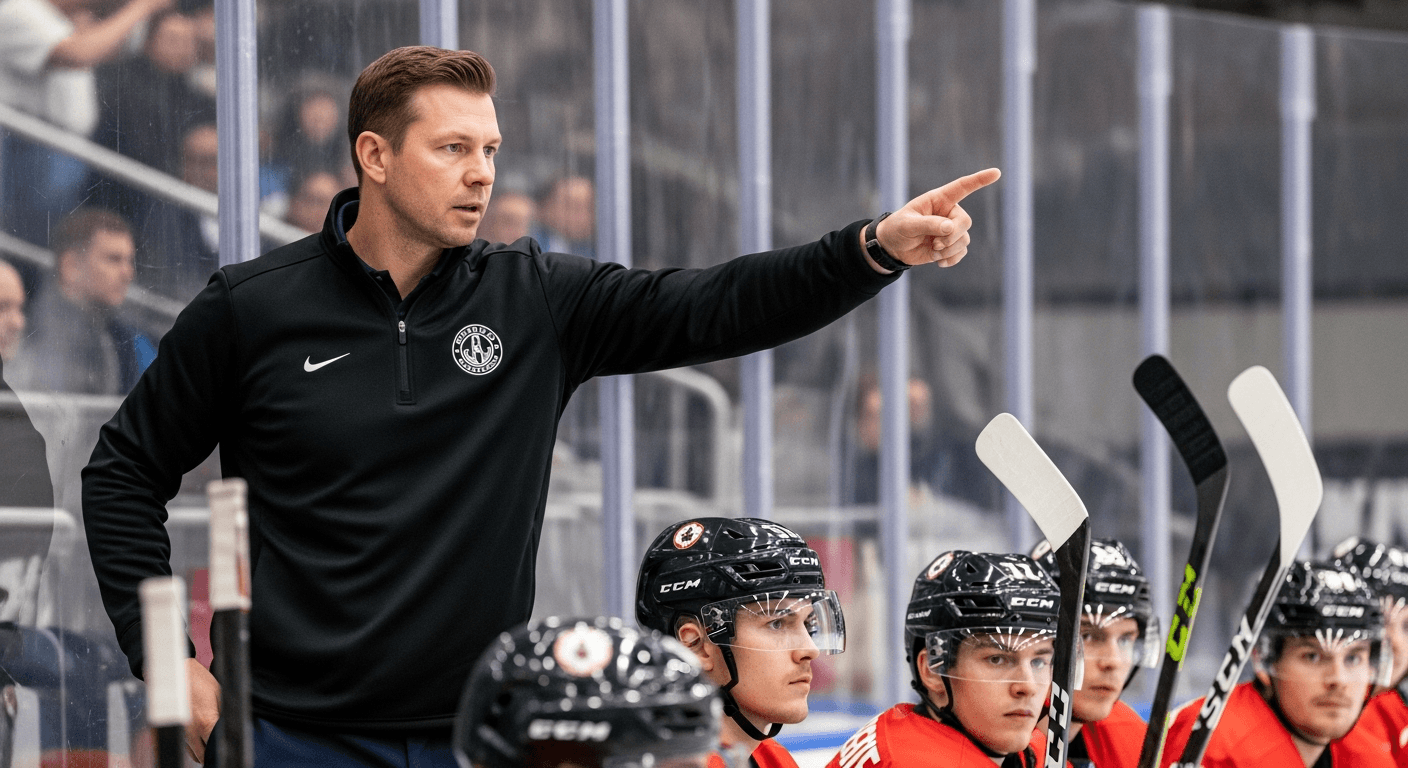
Why Building Team Chemistry and Cohesion is Essential in Hockey
In hockey, the fast-paced nature of the game demands not only individual skill but also seamless teamwork. For coaches, fostering team chemistry and cohesion is critical to achieving success on the ice. As Amy Masters highlights in her work, having a shared vision and unity of purpose are the foundational elements of a successful team dynamic (Masters, 2023). Without these, even the most talented players may struggle to sync with their teammates, leading to underwhelming performances.
Key Elements of Team Chemistry in Hockey
Building team chemistry involves several core components that coaches should focus on:
- Shared Vision and Goals - Define and communicate a clear set of objectives for the team. This aligns everyone towards common goals, enhancing motivation and focus.
- Trust and Respect - Encourage open communication and mutual respect among players. Trust is the bedrock of any cohesive team.
- Role Clarity - Ensure that each player understands their role on the team. Clarity prevents confusion and overlaps during games.
- Consistent Communication - Foster an environment where players feel comfortable sharing ideas and feedback.
By integrating these elements, a coach can craft a harmonious team environment where players support and uplift one another.
Strategies for Building Team Chemistry
Creating a unified hockey team requires deliberate strategies both on and off the ice. Here are some effective methods coaches can use:
- On-Ice Drills Focused on Teamwork - Implement drills that require players to work together, such as passing drills and small-sided games. This reinforces teamwork and communication.
- Off-Ice Bonding Activities - Organize team-building activities outside the rink. As highlighted in "Building Chemistry Through Off-Ice Bonding," such activities foster trust and resilience, essential for a strong team connection.
- Regular Team Meetings - Hold meetings to discuss team performance, address any issues, and celebrate successes. This keeps everyone aligned and motivated.
- Encourage Peer Mentorship - Pair experienced players with newer ones to build camaraderie and facilitate skill development.
Implementing these strategies creates a positive team culture where players feel valued and connected.
Using Off-Ice Bonding to Strengthen Team Cohesion
Off-ice bonding is a powerful tool for building team chemistry. Activities outside of practice allow players to connect on a personal level, breaking down barriers and fostering a sense of belonging. According to "Building Chemistry Through Off-Ice Bonding," these activities help teams develop trust, which translates into better on-ice performance.
Consider organizing the following activities:
- Team Dinners - A relaxed setting where players can socialize and build friendships.
- Community Service Projects - Engaging in charitable activities promotes teamwork and a sense of purpose.
- Outdoor Adventures - Activities like hiking or ropes courses challenge players to work together in new environments.
- Team Workshops and Clinics - Sessions focused on team dynamics and communication skills can provide valuable insights and tools for players.
These experiences create lasting bonds and a supportive team environment.
Incorporating a Psychoanalytic Approach to Enhance Cohesion
Understanding the psychological dynamics within a team can further enhance cohesion. Dr. Tom Ferraro's psychoanalytic approach to sports psychology suggests addressing underlying psychological patterns that impact performance. By recognizing individual and collective psychological factors, coaches can better tailor their strategies to foster a cohesive team atmosphere.
Consider these psychoanalytic strategies:
- Individual Player Assessments - Conduct assessments to understand each player's motivations and challenges.
- Group Dynamics Workshops - Facilitate sessions focused on team dynamics and conflict resolution.
- Personalized Coaching Plans - Develop plans that cater to the psychological needs of each player, promoting personal and team growth.
By integrating these insights, coaches can address issues that may hinder team cohesion, leading to a more united and effective team.
Ensuring Cohesion Among Coaching Staff
A cohesive team isn't limited to players; the coaching staff must also work in harmony. According to "Roadmap: Developing Elite Hockey Players Strategically," a unified coaching team ensures consistent messaging and integrated training plans. Here's how to achieve cohesion among coaches:
- Regular Staff Meetings - Hold meetings to align on team goals, strategies, and any adjustments needed.
- Clear Communication Channels - Establish channels for efficient communication and feedback among coaching staff.
- Collaborative Planning - Involve all coaches in the planning process to leverage diverse perspectives and expertise.
- Professional Development - Encourage continuous learning and development to keep the coaching team at the top of their game.
By fostering a cohesive coaching team, you ensure that players receive consistent guidance and support.
Measuring Team Chemistry and Making Adjustments
It's important to regularly assess the level of team chemistry and make necessary adjustments. Here are some ways to measure and enhance team cohesion:
- Player Feedback - Conduct surveys or informal interviews to gather players' input on team dynamics.
- Performance Metrics - Analyze game and practice performances for signs of effective teamwork or areas needing improvement.
- Regular Check-Ins - Hold brief check-ins with players and coaches to discuss progress and any concerns.
Based on these assessments, make strategic adjustments to coaching methods, team activities, or communication practices to enhance team chemistry.
Conclusion: A Unified Team is a Winning Team
Building team chemistry and cohesion in hockey is a multifaceted process that requires deliberate effort from both coaches and players. By focusing on shared goals, trust, communication, and both on-ice and off-ice activities, coaches can cultivate a team environment where players thrive together. Remember, a unified team is not only more enjoyable to coach but also more likely to achieve success on the ice. Start implementing these strategies today and watch your team grow stronger and more cohesive with each practice and game.
Tags
Sources & References
- Beyond Talent: Building a Cohesive Sports Team
Amy Masters, a field hockey coach in the New Jersey and Pennsylvania area, discussed the initial components to a successful team dynamic. These are a shared vision and unity of purpose (Masters, 2023)
- How Coaches Can Create Championship-Level Team Chemistry
That’s why we created The Ultimate Team Building Course for Coaches—a resource born directly from the countless emails and messages from coaches asking, “What can I do to help my players truly work to
- Building Chemistry Through Off-Ice Bonding - Black Hockey Sticks
## Chemistry is Built, Not Found Off-ice bonding is one of the most effective tools a hockey team can use to build trust, resilience, and unity. When players feel connected beyond the rink, they perf
- Roadmap: Developing elite hockey players strategically
The coaching staff, encompassing head coaches, assistant coaches, skill coaches, and strength and conditioning coaches, must work cohesively to ensure a consistent message and integrated training plan
- Psychoanalytic Approach to Sports Team Cohesion - Dr. Tom Ferraro
Dr. Tom Ferraro applies a psychoanalytic approach to sports psychology, helping youth sports teams in New York strengthen cohesion by addressing the underlying psychological patterns that impact perfo
Related Articles
Take Your Coaching to the Next Level
Practice Plan helps coaches create, organize, and share professional practice plans — all in one place, built for coaches.
Free to start • Available on iOS & Web
For Leagues & Associations
Give your coaches a free tool — at no cost to you.
Partner with Practice Plan and your coaches get a 14-day free trial. You just forward one email. No budget, no contracts.
Get Coaching Articles in Your Inbox
Subscribe to receive new articles. Choose your sports to get personalized content.
No spam, unsubscribe anytime.