
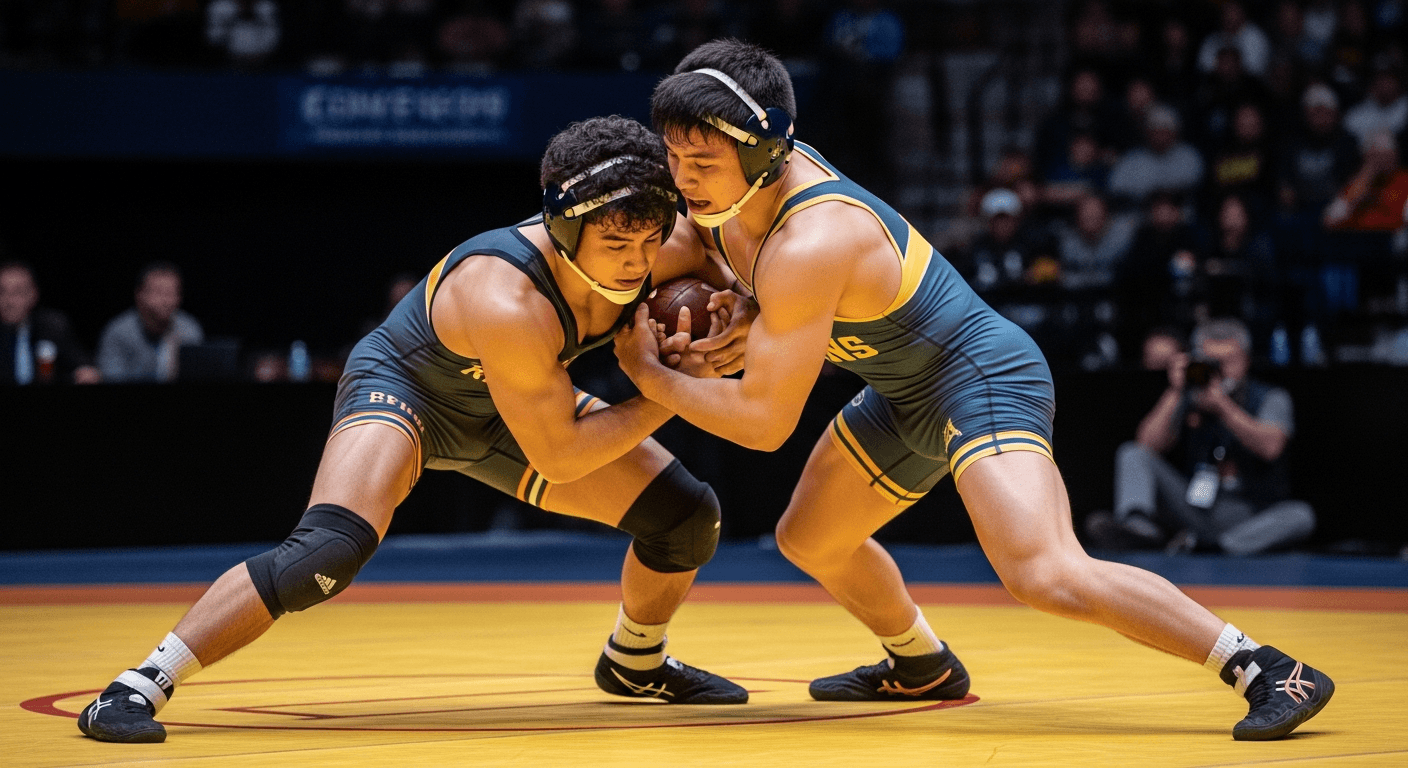
Balancing Winning and Development in Wrestling Coaching
As a wrestling coach, you're tasked with the challenging role of fostering both competitive excellence and personal growth in your athletes. The delicate balance between winning and development is crucial for building a successful and sustainable wrestling program. Let's explore some key strategies and insights to help you navigate this balance effectively.
Why Balance Matters in Wrestling
Wrestling is a sport that demands physical prowess, strategic thinking, and mental toughness. Yet, focusing only on winning can overshadow the holistic development of young athletes. When coaches prioritize development alongside winning, they not only cultivate champions on the mat but also nurture resilient, confident individuals off the mat.
According to recent insights on coaching, great coaching in 2025 and beyond isn't just about producing champions; it's about developing confident, well-rounded athletes. By balancing goals, coaches can create an environment where wrestlers thrive both competitively and personally.
Key Strategies for Balancing Winning and Development
Here are some practical strategies to help you strike the right balance in your wrestling program:
- Set Clear Objectives - Define what success looks like for your team and individual wrestlers. These objectives should encompass both performance goals and personal development milestones.
- Emphasize Technique and Creativity - Develop a training regimen that focuses on mastering fundamental techniques while encouraging creative expression on the mat. This approach not only enhances skillsets but also fosters a love for the sport.
- Prioritize Mental Health - Acknowledge the importance of mental well-being in your athletes. Incorporate mental training and support as part of your coaching routine, helping wrestlers develop resilience and confidence.
- Balance Conditioning and Recovery - While physical conditioning is vital, ensure your athletes have adequate time for recovery. This balance prevents burnout and injuries, enabling sustained performance improvements.
- Foster a Supportive Team Environment - Cultivate a team culture that values inclusivity, mutual respect, and encouragement. A supportive environment boosts morale and motivates wrestlers to strive for both personal and team success.
Emphasizing Technique and Creativity
Technique is the cornerstone of wrestling success. However, fostering creativity within the constraints of technical training can unlock new potential in wrestlers. Encourage your athletes to experiment with different moves and styles, allowing them to find what works best for them. This experimentation not only improves adaptability but also keeps training engaging and enjoyable.
Leverage resources like the USA Wrestling's 7 Basic Skills Coach and Athlete Guide to enhance your technical training sessions. These resources provide structured guidance while leaving room for creative exploration.
Incorporating Mental Training
Mental training is an often overlooked aspect of wrestling coaching, yet it plays a pivotal role in athlete development. Coaches like Justin and the Wrestling Mindset team have successfully incorporated mental training into their programs, helping wrestlers build confidence, focus, and mental resilience.
Consider integrating mental training modules into your regular practice schedule. Techniques such as visualization, goal setting, and mindfulness can significantly enhance your athletes' mental fortitude, leading to better performance under pressure.
Balancing Conditioning and Recovery
Physical conditioning is crucial for wrestlers, but it's equally important to ensure proper recovery. Overtraining can lead to fatigue, decreased performance, and increased injury risk. Implement a balanced training plan that includes rest days and active recovery sessions.
Encourage athletes to listen to their bodies and communicate openly about their physical limits. This communication fosters trust and helps you tailor training intensity to individual needs, promoting long-term health and performance.
Building a Supportive Team Environment
A positive team environment is instrumental in achieving both winning and developmental goals. Encourage your team to support each other, celebrate individual and collective achievements, and learn from setbacks together. This supportive culture builds camaraderie and motivates wrestlers to push their limits.
Organize team-building activities and establish regular feedback sessions where athletes can voice their thoughts and concerns. Such initiatives strengthen team bonds and create a sense of belonging, crucial for their overall development.
Putting It Into Practice
Balancing winning and development in wrestling is an ongoing process that requires dedication and adaptability. Start by implementing one strategy at a time, gradually incorporating others as you observe positive changes in your athletes' performance and mindset.
Remember, the ultimate goal is to develop well-rounded wrestlers who excel on the mat and in life. By prioritizing both winning and development, you're setting your athletes on a path to success, regardless of the challenges they may face.
Conclusion
As you continue your journey as a wrestling coach, remember that success isn't solely measured by victories. By balancing winning with personal development, you're contributing to the growth of confident, resilient individuals who are equipped to tackle life's challenges both on and off the mat. Best of luck in your coaching endeavors, and may your wrestlers thrive in every aspect of their journey!
Tags
Sources & References
- Wrestling Coach Tips for 2025: Smarter Training, Team ...
The key is balance—between conditioning and recovery, toughness and mental health, technique and creativity. Great coaching in 2025 isn’t just about producing champions; it’s about developing confiden
- Wrestling Coach Tips for 2025: Smarter Training, Team ...
The key is balance—between conditioning and recovery, toughness and mental health, technique and creativity. Great coaching in 2025 isn’t just about producing champions; it’s about developing confiden
- Wrestling Coach Tips for 2025 - Matguard
The key is balance—between conditioning and recovery, toughness and mental health, technique and creativity. Great coaching in 2025 isn’t just about producing champions; it’s about developing confiden
- Coaching Resources
Developmental Videos • USA Wrestling's 7 Basic Skills Coach and Athlete Guide • Women’s National Team Head Coach Terry Steiner on Women’s Wrestling • Coach’s Syllabus for Freestyle Wrestling wit
- How Mental Training Transforms Wrestlers | Learn
Coach Justin and the Wrestling Mindset team have helped thousands of wrestlers develop these skills through personalized 1-on-1 mindset coaching and team training programs across the country. The goal
Related Articles
Take Your Coaching to the Next Level
Practice Plan helps coaches create, organize, and share professional practice plans — all in one place, built for coaches.
Free to start • Available on iOS & Web
For Leagues & Associations
Give your coaches a free tool — at no cost to you.
Partner with Practice Plan and your coaches get a 14-day free trial. You just forward one email. No budget, no contracts.
Get Coaching Articles in Your Inbox
Subscribe to receive new articles. Choose your sports to get personalized content.
No spam, unsubscribe anytime.